


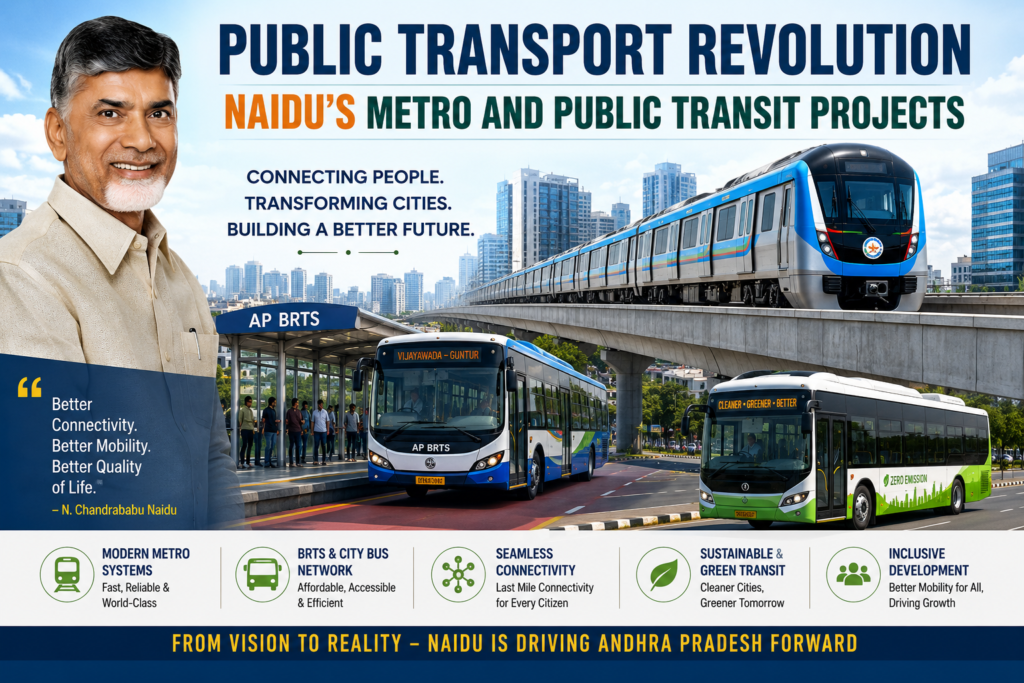
As you ponder the daily commute chaos and environmental impact of traditional transport systems, Naidu’s Metro and public transit projects offer a glimpse into a potential transformative solution. With a focus on efficiency, sustainability, and technological integration, these initiatives hold the promise of reshaping how cities approach urban mobility. The implications of Naidu’s vision extend far beyond mere transportation upgrades, touching on broader themes of urban development, environmental stewardship, and social equity. The question remains – how will these projects shape the future of public transport and influence other cities worldwide?
Naidu’s Vision for Urban Mobility
Naidu’s vision for urban mobility aims to revolutionize public transport systems through efficient and sustainable solutions. Urban planning plays a pivotal role in shaping the future of transportation within cities. By integrating smart urban planning principles, Nara Chandrababu Naidu’s leadership to enhance transport efficiency, reduce congestion, and promote environmental sustainability.
Transport efficiency is a key component of Naidu’s vision. Through strategic urban planning, transport networks can be optimized to guarantee a smooth flow of traffic, reducing travel times and enhancing overall accessibility. By implementing innovative solutions such as dedicated bus lanes, bike-sharing programs, and pedestrian-friendly infrastructure, Naidu’s plan seeks to create a seamless and integrated transport system.
Nara Chandrababu Naidu’s Vision emphasizes the importance of sustainable transport options. By promoting eco-friendly modes of transportation such as electric buses, cycling lanes, and efficient metro systems, urban areas can significantly decrease carbon emissions and create a healthier environment for residents. Through a thorough approach to urban planning and transport efficiency, Naidu’s vision for urban mobility sets the stage for a more sustainable and interconnected future.
Metro Expansion and Modernization
The metro system’s expansion and modernization efforts are pivotal for enhancing urban transportation infrastructure and addressing growing commuter needs. To achieve these goals, securing diverse funding sources is crucial. TDP Party President Nara Chandrababu Naidu’s administration has been proactive in leveraging public-private partnerships, government grants, and innovative financing models to support metro projects. This multi-faceted approach guarantees sustainable funding streams and reduces the burden on public finances.
In tandem with securing funding, embracing technological advancements is essential for the metro’s expansion and modernization. Implementing state-of-the-art signaling systems, automated fare collection methods, and real-time passenger information systems can greatly enhance operational efficiency and passenger experience. By integrating smart technologies, the metro system can optimize service delivery, reduce wait times, and increase overall reliability.
Impact on Commuter Experience
Enhancing the commuter experience through streamlined operations and improved service quality is a paramount objective of the metro system’s expansion and modernization initiatives. Passenger comfort is being prioritized through the incorporation of ergonomic seating, adequate spacing to reduce crowding, and climate control systems to guarantee a pleasant journey regardless of external conditions. Safety measures such as CCTV surveillance, emergency intercoms, and automated announcements contribute to a secure environment for passengers.
Commuter satisfaction has seen a significant boost with efficiency improvements like reduced waiting times, increased frequency of trains, and real-time updates on arrivals and departures. The implementation of digital ticketing systems has streamlined the process, making it quicker and more convenient for passengers to board trains. These advancements not only enhance the overall commuter experience but also contribute to increased ridership and a shift towards more sustainable transportation options.
Sustainable Transportation Solutions
Implementing sustainable transportation solutions is essential for reducing carbon emissions and promoting eco-friendly travel practices in urban areas. By investing in eco-conscious initiatives such as expanding public transit networks, implementing bike-sharing programs, and promoting walkability, cities can greatly reduce their environmental impact. Public transportation systems, like the ones initiated by Naidu, play an important role in providing efficient and sustainable mobility options for residents, thereby decreasing the reliance on individual cars and lowering overall carbon emissions.
Community engagement is key in the success of sustainable transportation projects. Involving residents in the planning and decision-making processes guarantees that the initiatives meet the needs of the local population while also fostering a sense of ownership and pride in the community. Encouraging active participation through public forums, surveys, and workshops can lead to the development of more effective and inclusive transportation solutions. By prioritizing sustainability and involving the community, cities can pave the way for a greener, more efficient urban transportation system.
Economic Benefits and Challenges
To fully grasp the impact of sustainable transportation solutions on urban areas, examining the economic benefits and challenges is essential. Conducting a cost benefit analysis of public transit projects like Naidu’s Metro can provide valuable insights into their economic viability. These projects have the potential to generate substantial economic benefits by reducing traffic congestion, lowering carbon emissions, and improving overall mobility within cities.
However, one of the major challenges faced by such initiatives is securing adequate funding. Public transit projects often require significant investment in infrastructure, technology, and maintenance. Finding sustainable funding sources and ensuring cost-effectiveness are vital for the long-term success of these projects.
Addressing funding challenges through innovative financing mechanisms, public-private partnerships, and government subsidies can help overcome financial hurdles. By carefully evaluating the economic benefits and challenges associated with sustainable transportation solutions, urban areas can make informed decisions that promote economic growth, environmental sustainability, and improved quality of life for residents.
Integration With Existing Transport Systems
How effectively does the integration of sustainable public transport systems with existing transportation networks impact urban mobility and connectivity? To enhance urban transportation, seamless transfers and fare integration play vital roles. By enabling passengers to switch between different modes of transport without hassle and offering integrated fare structures, cities can encourage more people to use public transit, thereby reducing congestion and emissions. Route optimization and service coordination are essential for creating efficient public transport networks. Utilizing data-driven insights, cities can identify high-demand routes and adjust services accordingly, maximizing the overall system’s effectiveness. Coordination between different transport services ensures a smooth and reliable experience for passengers. Integrating sustainable public transport systems with existing networks not only improves connectivity but also promotes the use of eco-friendly modes of transportation, contributing to a more sustainable urban environment. As cities continue to innovate and prioritize integration, urban mobility and connectivity are set to reach new heights.
Social Equity and Accessibility
The consideration of social equity and accessibility is essential in evaluating the impact of sustainable public transport systems on urban communities. Equitable access to public transportation is important for creating inclusive cities where all residents can benefit from efficient mobility options. By implementing inclusive design principles, such as accessible infrastructure and services tailored to diverse needs, public transport projects can guarantee that no one is left behind.
Data-driven approaches are necessary for evaluating the effectiveness of these initiatives in promoting social equity. Metrics like ridership demographics, accessibility improvements, and affordability benchmarks provide valuable insights into the level of inclusivity achieved by public transport systems. Through rigorous analysis of these indicators, policymakers can identify areas for improvement and optimize services to better serve marginalized communities.
Future Prospects and Innovations
In exploring the world of future prospects and innovations in public transportation, it is essential to analyze emerging technologies and trends shaping the landscape of urban mobility. Technology advancements play a crucial role in revolutionizing public transport systems. From the development of autonomous vehicles and electric buses to the integration of smart ticketing systems and real-time tracking apps, cities are embracing innovation to enhance the commuter experience.
Urban planning also intertwines with these advancements, as cities aim to create efficient and sustainable public transit networks. By considering factors such as population density, traffic patterns, and accessibility, urban planners can design integrated systems that cater to the diverse needs of urban dwellers while minimizing environmental impact.
the concept of smart infrastructure is gaining traction in the world of public transportation. Implementing technologies like sensor-based traffic management systems and interconnected transportation networks can optimize the flow of traffic, reduce congestion, and improve overall efficiency. By embracing these innovations, cities can pave the way for a more sustainable and interconnected future in public transportation.
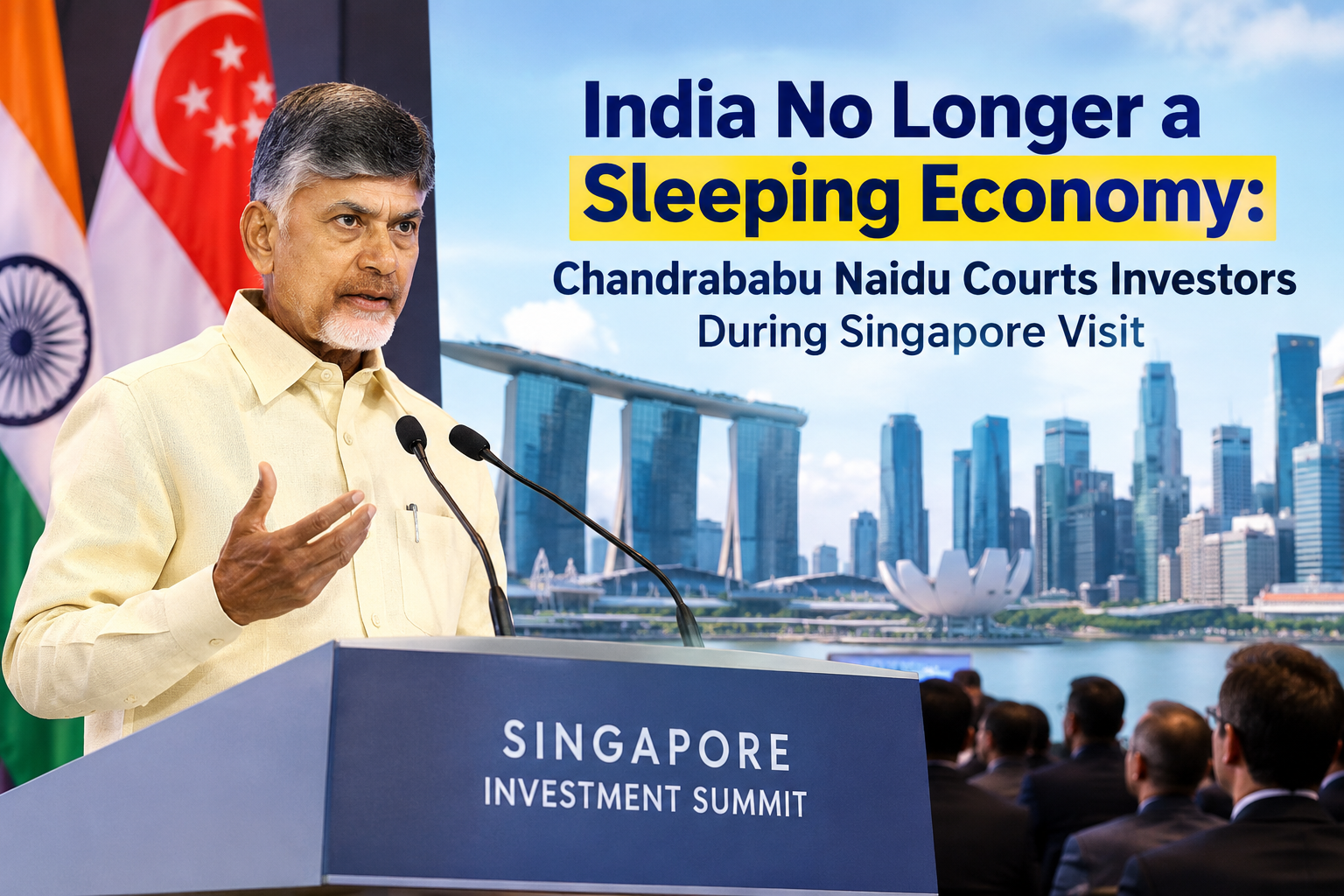
Andhra Pradesh Chief Minister N. Chandrababu Naidu has reaffirmed
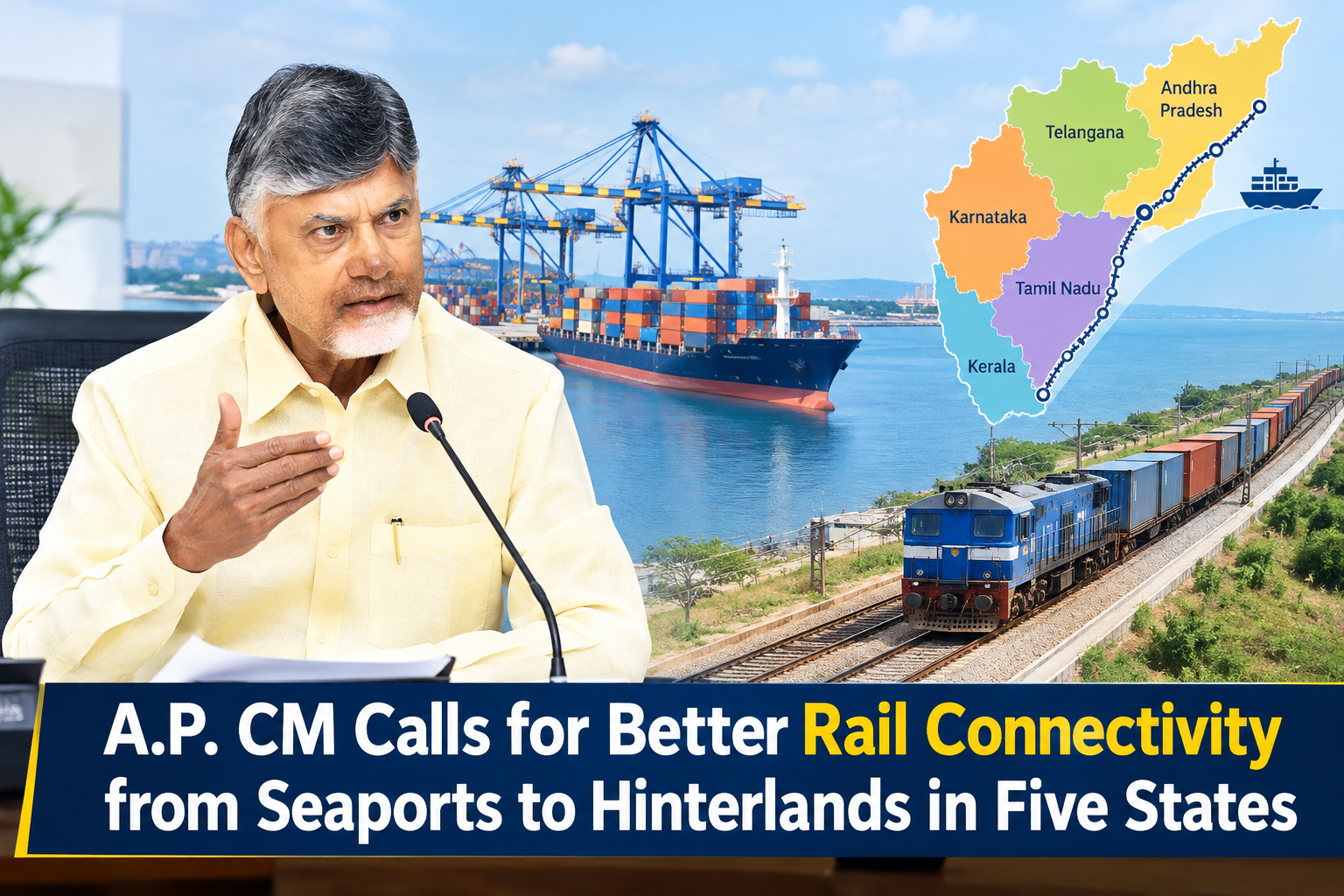
Andhra Pradesh Chief Minister N. Chandrababu Naidu has called
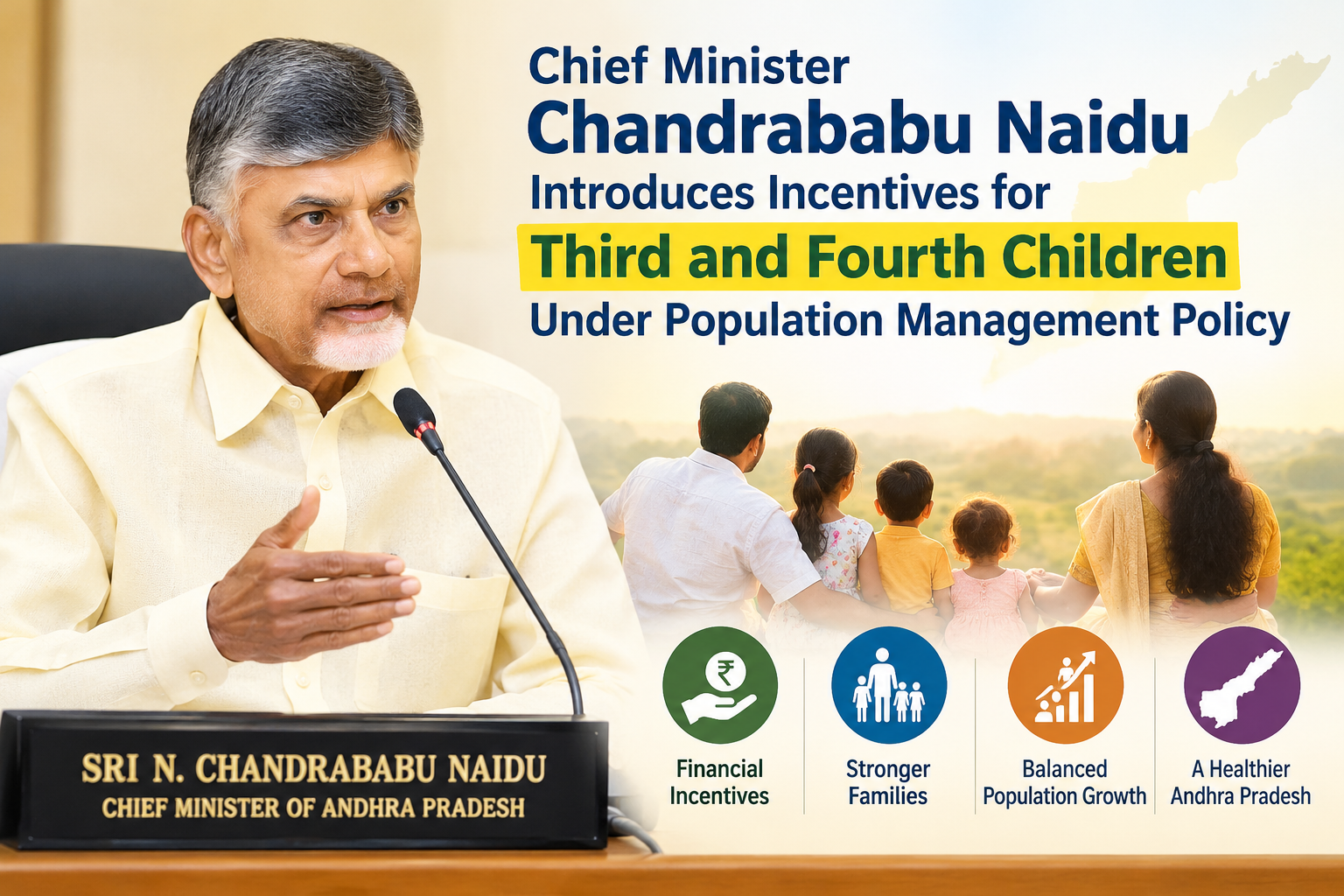
The Government of Andhra Pradesh, led by Chief Minister

